
International Court of Justice's judgment on Myanmar's genocide of Rohingya people
Conflict Journal read through the ICJ's judgment for you
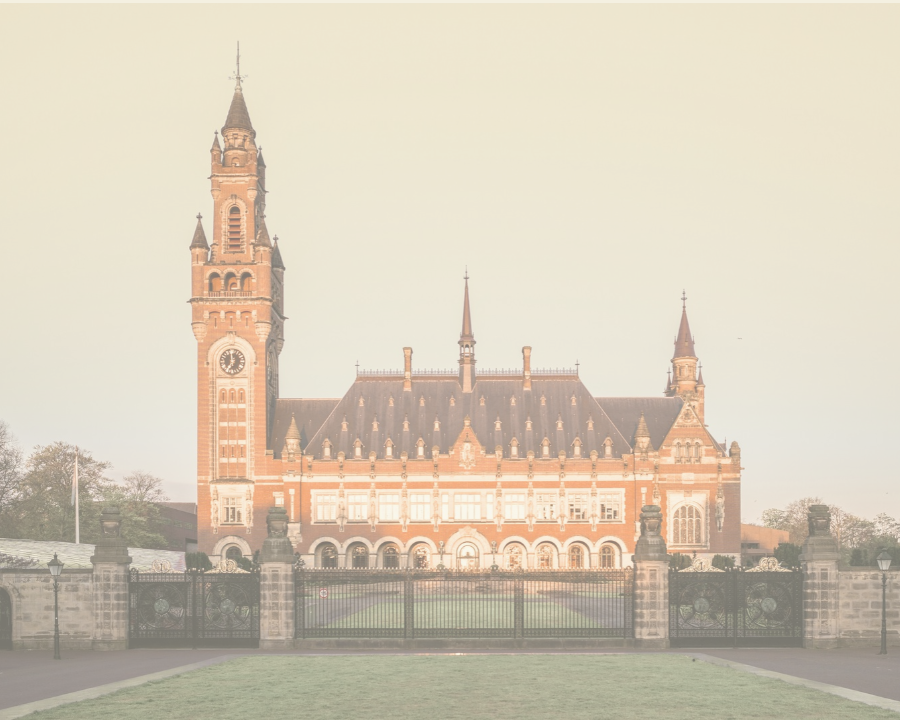
The International Court of Justice on 19 November declared that Myanmar "committed genocide against the Rohingya group in northern Rakhine State."
The court's decision marked a world first ruling against a state on the crime of genocide in its 80-year history.
Conflict Journal read through the ICJ's judgment for you. The following is a non-exhaustive review of the court's document.
"The Court finds that Myanmar breached its obligations under Article I and Article III (a) of the Convention."
To rule on the case of whether genocide was committed against the Rohingya people, the court cited three articles under the Genocide Convention:
- Article II: the killing of members of the group
- Civilians, including women and children, were directly targeted. And there were brutal murders with knives, "widespread indiscriminate shooting," and the "burning of people in houses."
- Myanmar security forces "intentionally killed members of the protected group on a large scale," the court said.
- Article II: causing serious bodily or mental harm to members of the group
- The court cited abuses and crimes by security forces where Rohingya people witnessed killings, suffered sexual violence or lasting injuries themselves, experienced agony over disappearances, went on dangerous journeys to safety, and now live in displacement camps.
- Rohingya people dealt with "a grave and long-term disadvantage to [their] ability ... to lead a normal and constructive life," the court said.
- Article II: deliberately inflicting on the group conditions of life calculated to bring about its physical destruction in whole or in part
- The court did not find enough evidence to rule that Myanmar's imposed restrictions to basics and essential services would lead to destructive conditions of life for the Rohingya.
- Article II: imposing measures intended to prevent births within the group
- There were cases where security forces killed infants, tried to restrict births by policy, and abducted "infants from their mothers' laps and threw them into the river" where witnesses saw "children's bodies floating away."
- Myanmar security forces "acted with the intent to prevent births among" the Rohingya group, the court said.
To rule on Myanmar's genocidal intent in destroying the Rohingya people, the court pointed to four reasons:
- Discrimination against the Rohingya
- Myanmar was found to have enacted legislation and discriminatory policies against the population. It also pushed anti-Rohingya hate speech.
- The court said the state's actions "portrayed the Rohingya both as subhuman and as a violent threat, thus contributing to a climate conductive to targeting a group for destruction."
- Myanmar also fell back on earlier military operations against the minority and further fueled forced displacement, both which "systematically directed" Rohingya civilians.
- Selective targeting of the Rohingya
- There was evidence found there were Rohingya people, property, and villages were specifically affected in Myanmar military operations "while non-Rohingya areas in the same locations remained untouched."
- Myanmar also conducted large razing of Rohingya homes and villages while organizing the resettlement of non-Rohingya communities in those spaces.
- Violations against the foundations of the Rohingya
- Myanmar security forces committed a range of sexual violence acts that "degraded the victims and their communities to an extreme degree," the Court said.
- Myanmar also targeted children among the minority, where the Court said "it is difficult to explain ... on any basis other than their membership in the protected group."
- Systematic nature and scale of Myanmar's actions
- The Court found that 1.2% of Rohingya people in the country were killed by security forces "with genocidal intent."
- It also found that hundreds of thousands of people are living in displacement camps in Bangladesh as a result.
In conclusion, the International Court of Justice said it "is fully convinced" that Myanmar committed these crimes and abuses outlined in the Genocide Convention "with an intent to destroy a substantial part of the Rohingya population..."
Official documents
- The ICJ's full judgment document (PDF)
- The ICJ's summary document (PDF)
- The ICJ's press release (PDF)