Russia 'committed war crimes' making civilians suffer in Ukraine, UN inquiry says
Russian authorities knowingly struck energy facilities, depriving people heat and electricity in brutal winters, according to independent investigators.
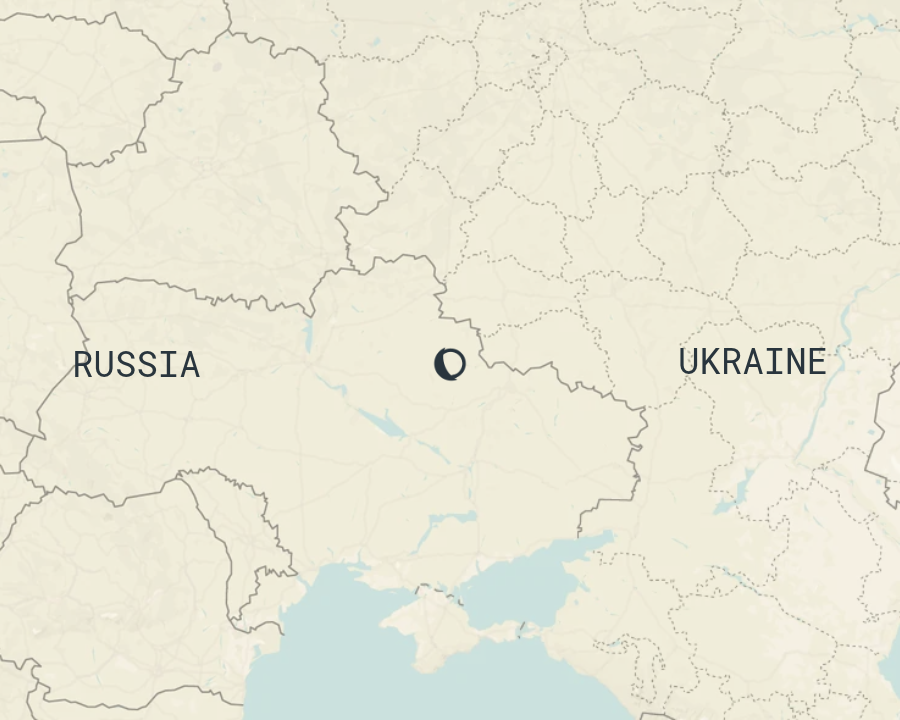
Russia's military targeted civilian sites in Ukraine with the aim to further suffering—in violation of international human rights law—a UN-backed commission said in a new report.
"Russian authorities have committed war crimes of intentionally directing attacks against civilian objects and the crimes against humanity of other inhumane acts," it declared.
The report released (PDF) on 26 October was completed by the Independent International Commission of Inquiry on Ukraine, which is a group of human rights experts selected by the UN Human Rights Council to probe possible abuses after Moscow's invasion of Ukraine began in February 2022.
The @UN Commission of Inquiry on #Ukraine found in a new report that Russian authorities:
— UN Human Rights Council Investigative Bodies (@uninvhrc) October 26, 2026
➡️ Committed crimes against humanity through attacks on Ukraine’s energy infrastructure
➡️ Trafficked foreign nationals to fight in their armed forces in Ukraine.
👉 https://t.co/32OJFztKHJ pic.twitter.com/miWqGX5C8X
Under the rules of war, militaries are allowed to hit other military bases or spaces used by militaries (which are called dual-use objects). And civilian spaces are prohibited under international law.
And Moscow has been increasingly bombarded power plants, oil refineries, and gas facilities across Ukraine by claiming they're dual-use spaces. More than 500,000 people have lost power, for example, in the last week due to these Russian strikes. The commission rejected these claims.
"Considering the wide geographic spread of the attacks, their demonstrated consequences on the population over time, and the fact that some of the objects targeted have a civilian use, the commission has concluded that the facilities targeted included objects that were not military objectives, but civilian," the report said.
The investigators asserted that Russians "ordering the attacks had the knowledge that the heating facilities they targeted" were "indispensable" to Ukrainians in the winter.
And because of these damaging strikes, the human rights experts said the Russians were operating with a "state policy to deprive" civilians and "cause suffering."
Investigators talked to 255 Ukrainians who shared experiences with no heating, electricity or water in below freezing weather for long periods of time last winter.
"The scariest thing was to fall asleep and not to wake up; it was like torture to be scared of dying from cold," a Kyiv resident told investigators.
People dealt with severe mental health crises around uncertainty and focusing on survival. The attacks on energy also disrupted education and medical services, and prevented safe evacuation for civilians.
"Cold—it paralyzes you; there’s simply no way to get warm, and terrifying thoughts come into your mind," another Ukrainian from Dnipro city told investigators.
The report also detailed other rights abuses that involved Russians human trafficking people from 29 countries to have them fight along its military.
And now the concern is a renewed humanitarian crisis in the coming months.
"As the cold season approaches, the attacks have intensified once again, raising serious concerns about the threats to civilians’ lives and health," the commission's chair Erik Mose said.
There's a lot more to read on the energy tit-for-tat between Kyiv and Moscow, plus developments around ceasefires and peace talks beyond the paywall.
Please subscribe to receive access to the rest of the expert human curation.
The World Central Kitchen is preparing to still feed Ukrainians this coming winter despite challenges in lack of power or gas. Read about how the organization is getting ready for its food aid operations.