What about pandemic preparedness?
Six years after a devastating pandemic began, EU and US decline to sign on a global declaration for a stronger response to public health threats at the UN
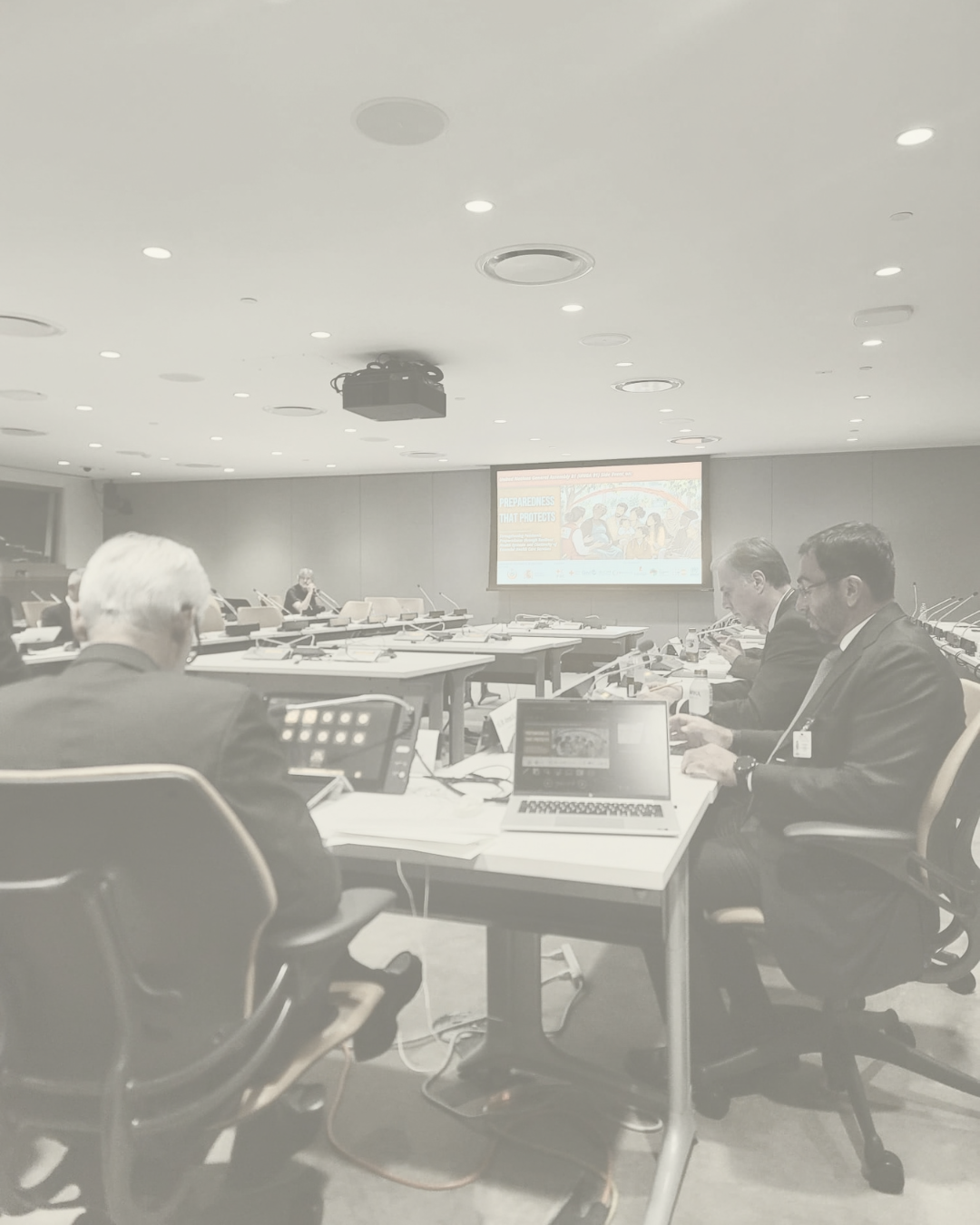
There are so many subjects tackled during UN General Assembly high-level week. You name it, it's probably discussed, delved into, obsessed over, and again.
After attending at least three public health events, I'm writing about pandemic preparedness. It's connected to Conflict Journal when violence can fuel pubic health threats, and when pandemics can fuel humanitarian issues that ignite war.
There was a UN high-level meeting on pandemic preparedness this Friday where both the European Union and the US chose not to join a global declaration to collaborate on addressing pandemics after more than 14 million people died to Covid.
The ceremonial and legally nonbinding declaration aimed to create a coordinated response to global threats that should be more equitable and accessible among UN member states. The NY Times reports that there were issues over the text.
At #UNGA, world leaders renewed their commitment to preventing and preparing for future pandemics. Countries also stressed the urgent need to conclude negotiations on an annex to the WHO Pandemic Agreement that would establish the Pathogen Access and Benefit-Sharing (PABS)… pic.twitter.com/8Aw2fQNsZR
— World Health Organization (WHO) (@WHO) September 25, 2026
The declaration will now go to the general assembly for a vote. With EU and US rejections, it's a signal of lack of support by the world's richest countries to address public health.
“We can never say the world is ready enough. The threat evolves and so must we,” World Health Organization director general Dr Tedros Adhanom Ghebreyesus said.
And so, here's my notepad from the pandemic-related events I attended, exclusively for subscribers. Please become a paid subscriber to read further.
Remember, we all share the same moon.