Civilians leave Russian-besieged Oleshky in rare humanitarian corridor
Russian authorities have occupied Ukraine's Oleshky since 2022, where residents reported starvation, killings, and lack of essentials.
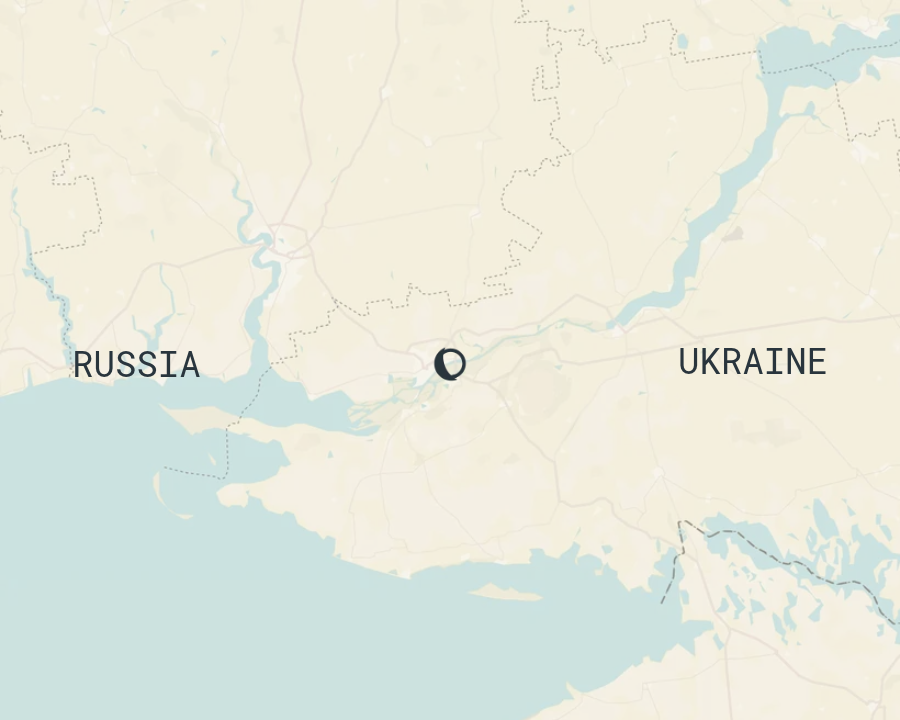
For the first time in nearly five years of war since Russia's invasion of Ukraine began in early 2022, a humanitarian agreement to evacuate civilians and deliver humanitarian aid to a Russian-occupied city is taking place.
"We are in Oleshky!" said Dmytro Lubinets, Kyiv's human rights commissioner, in a 30 October social media post with footage of him alongside emotional individuals.
Residents have been living with a lack of food, drinking water, essential medicine, electricity or gas while under Moscow's control since the beginning of the war—and increasingly in the last year.
The city, according to independent non-governmental organizations, has been under "an effective blockade" by Russian authorities that created a "desperate situation for civilians," who were "surviving in hellish conditions." Ukraine's National Museum of the Holodomor Genocide warned of famine.
Local Ukrainian publications reported Oleshky residents eating grass, hospital ambulances no longer operating, and closing pharmacies. Other articles cited locals saying dead bodies remained on the streets and dogs fed on corpses. And Kyiv started doing airdrops of humanitarian aid.
We are in Oleshky! The Ukrainian delegation has safely reached the city.
— Dmytro Lubinets (@lubinetzs) October 30, 2026
The ceasefire has been in effect for 80 hours and remains in place. I am currently on the ground, speaking with local residents to hear about their needs and understand what kind of assistance they need… pic.twitter.com/AOhKIV0WLO
Under war, Oleshky's population decreased from 24,000 to around 6,000 people today. The only access route ("road of death") into the city has been littered with mines—it was demined ahead of this weekend's mission.
And, in a stunning moment despite tensions between the two countries, Lubinets and his Russian counterpart Yana Lantratova stood side by side (even a selfie video) as part of the relief operation.
Lantratova said that "we have completed the humanitarian mission."
"As this example has demonstrated, it is possible to reach agreement and find solutions to save human lives," she added.
It's unclear how many people have left Oleshky, while the NY Times reported Ukraine's prime minister said "527 people were being evacuated to Ukraine but swiftly retracted the statement." Lubinets said some residents chose to stay.
On 31 October, those who chose to leave Oleshky safely returned to Ukrainian-controlled territory, reuniting with families and loved ones they've been separated from for years. (There's other reporting by Kyiv Independent and Kyiv Post.)
The humanitarian corridor and local ceasefire are expected to last until 1 November.
"Each day this ceasefire holds means hope for civilians in Oleshky," UN's humanitarian aid chief, Tom Fletcher said. "Let this pave the way for vital aid to get in, and more humanitarian access on both sides of the front line."
Read the testimonies of civilians in Oleshky who were witnesses to starvation, denial of medical care, civilian killings and other alleged war crimes under Russian occupation. They were compiled by East SOS, a Ukrainian human rights group working to address Russian aggression.