We all share the same moon
Look up for empathy and connection.
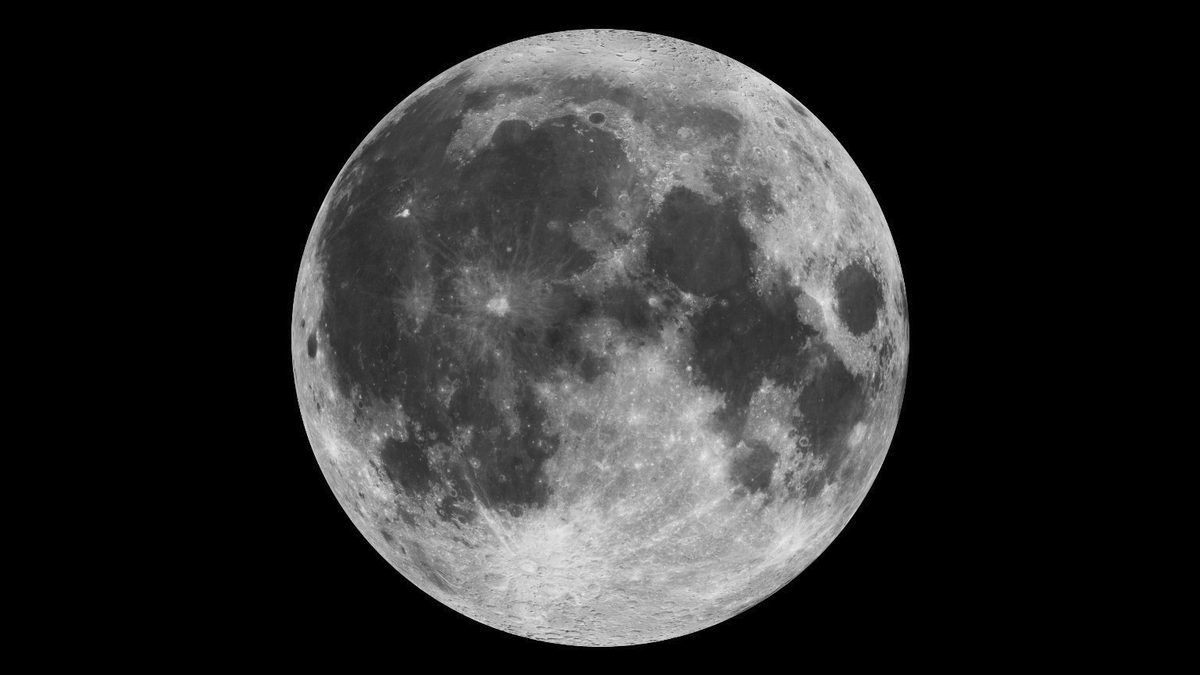
There has been one unifying motto I've used personally for years: "Remember we all share the same moon."
Not to be corny, but I've long taken heart from the belief that we're all connected.
I'm Patrick deHahn and I've been drawn to following major news events involving war, violence, protest, migration, public health, and humanitarian crises over the last 12 years.
These are difficult things to cover. There are horrifying images, and heavy stories.
But I care about these events impacting communities, and I've carried that passion to bring awareness through news curation in professional spaces and in my free time. Conflict Journal will do just that, with expert human curation.
I believe in the act of informing people to encourage connection. And sometimes awareness can bring good things too.
There's a thought I realized recently: As a deaf person, there's always opportunity to miss out on hearing things correctly around me. And I suppose my interest in journalism and curation might have been influenced by that—I look for every bit of information, keep up with fast-developing events online, and do extra research, so I don't miss out. And I've used this personal practice to help others be better informed.
As a journalist, it can be a challenge to bridge the gap and make far-away events relevant for you, the readers, in a comprehensive way.
And as a human, I understand that it can be overwhelming following complex and fast-moving events, and that negative news often brings readers down.
I remember following events in Syria in 2015, around the time of my birthday. I felt conflicted in rushing to curate news on people being killed by government forces, trying to give those stories the coverage and respect they deserved, and then heading out to meet friends for a birthday celebration. Looking to relieve the stress, I tweeted about wanting to "bring clarity" and "shine light" on conflict as "the planet will revolve."
That's where "we share the same moon" comes in.
The moon has become a personal reminder to keep trying despite challenges along the way, to view humanity as a whole as I work to build connections between readers and someone suffering a humanitarian crisis, communities taking to the streets in protest, and families caught up in deadly violence. Or anyone trying to seek safety somehow.
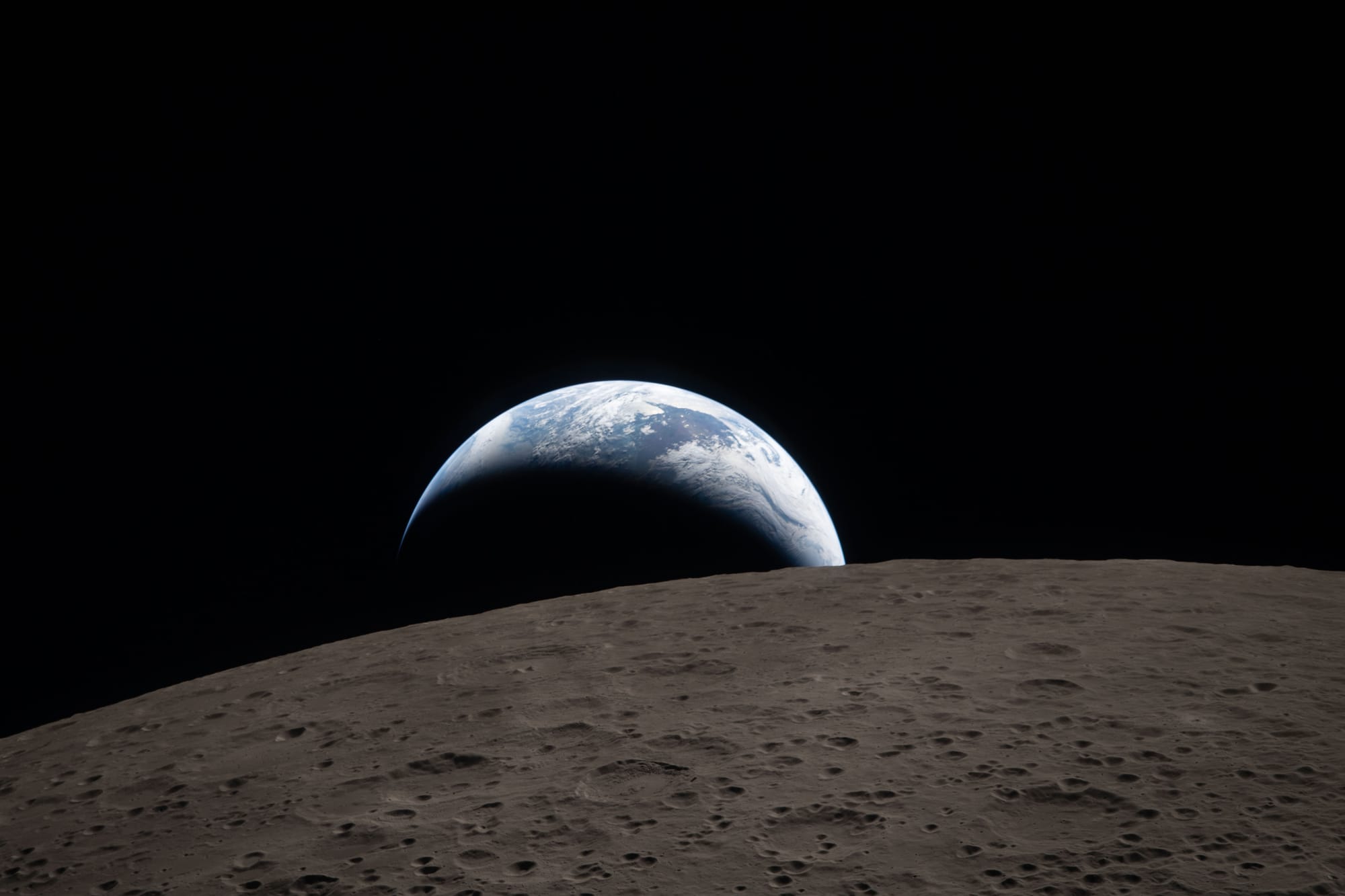
What do we all share? The same planet, yes, but conflict can often start over lines in the ground, our oceans, or across airspace.
We share the same sky and atmosphere, where we look up to see a moon we can view night after night.
Perhaps astronauts on the Artemis II mission to the moon expressed it best.
"You see the thin blue line of the atmosphere, and then when you’re on the dark side of the Earth, you actually see this very thin green line that shows you where the atmosphere is. What you realize is every single person that you know is sustained and inside of that green line and everything else outside of it is completely inhospitable," Christina Koch said on an earlier trip to the International Space Station.
"You don’t see borders, you don’t see religious lines, you don’t see political boundaries. All you see is Earth and you see that we are way more alike than we are different.”
I believe connection under the same moon is best done through a few things: seeing the world for what it is, being aware, and taking action.
Koch, the mission specialist for Artemis II, said to ground control, "it is so great to hear from Earth again to Asia, Africa and Oceania. We are looking back at you. We hear you... we can look up and see the moon right now. We see you too."
"We will inspire but ultimately, we will always choose Earth. We will always choose each other."
Conflict Journal will address hard facts and hard truths, covering events as they are, particularly the dozen or so active conflicts taking place across the world today.
Sometimes the world has these complex dualities where harsh violence and dire humanitarian crises take place while progress like the spaceflight mission occurs. Conflict Journal will reflect the world in its coverage.
It will do this by informing readers on all they need to know, with context and clarity. And last but not least, it will provide avenues for readers to take action.
"Trust us, you look amazing. You look beautiful. And from up here, you also look like one thing," Victor Glover, the pilot of the Artemis II mission, said. "You know, Homo sapiens is all of us, no matter where you’re from or, you know, what you look like. We’re all one people."
This is the globally-minded community Conflict Journal aims to create: one full of people who are curious, aware, and empathetic. And I hope you will join us.