Welcome to Conflict Journal
Here's a rundown of what this new publication is all about.
Thank you for being here.
I'm Patrick deHahn, an international news editor and reporter, and I'm grateful to welcome you on this journey at Conflict Journal. I'd love your support today.
What is Conflict Journal?
Conflict Journal will inform you on the latest in global conflict. It'll be covering major developments around war, violence, protest, and politics.
The mission is to create further awareness and greater understanding about these complex events that directly impact people across the world, with a focus on human rights and humanitarian issues.
What's the goal here?
The aim is for Conflict Journal to be your go-to resource on global conflict.
I want to help you have a full picture of what's happening with essential context and with an emphasis on who is impacted, in the hope to inspire connection, empathy, and action.
For you to be confidently informed and to positively act, there will be detailed and transparent news curation of both local and global reporting, community voices, and expert analysis, along with a productive action item.
And it won't be overwhelming: I'll use my news judgment to prioritize major developments that signify importance. So, Conflict Journal won't be doing articles on the minutiae of a long-running conflict or reports on every attack in a war. Think of it as breaking news, but not breaking news; fresh but not stale.
Why me?
I have experience, knowledge, and passion about these stories.
I've worked at Middle East-based newspaper The National News, global economy news website Quartz, and Voice of America, among other publications covering the very stories Conflict Journal will address. My reporting has consistently covered issues impacting people, including law, elections, migration, public health, accessibility, at The Atlantic, Daily Dot, Courier, and Mic.
I've covered global breaking news for more than 12 years. My career started with reporting from Occupy Wall Street protests in New York and curating Arab Spring events online. More recently, I managed live blogs on Russia's invasion of Ukraine, and Israel's war on Gaza, as well as the Western withdrawal from Afghanistan, and several other major news events.
There's a great level of respect I have for the work done by journalists, humanitarians, doctors, activists, lawyers, and others. Conflict Journal will recognize these efforts through action items in articles and, soon to come, in "journal entries" by those addressing crises.
I also have personal appreciation of the stories told from these environments in creative ways, whether that be film, movies, and documentaries; writing, design, photography, and art; music, dance, performance, and food. This interest of mine will shine through my subscriber-only quarterly feature, where I will feature art connected to conflict.
How do I produce my work?
I'm a news curator at heart.
I love to scour a wide array of web sources with different but relevant details to provide a full picture, including local posts by those experiencing the news events themselves, briefings by non-governmental organizations, and analysis by experts.
I've done this approach for years on social media by curating updates live during fast-developing events or publishing detailed threads to catch up in comprehending important events. I do it transparently by linking all of my sources.
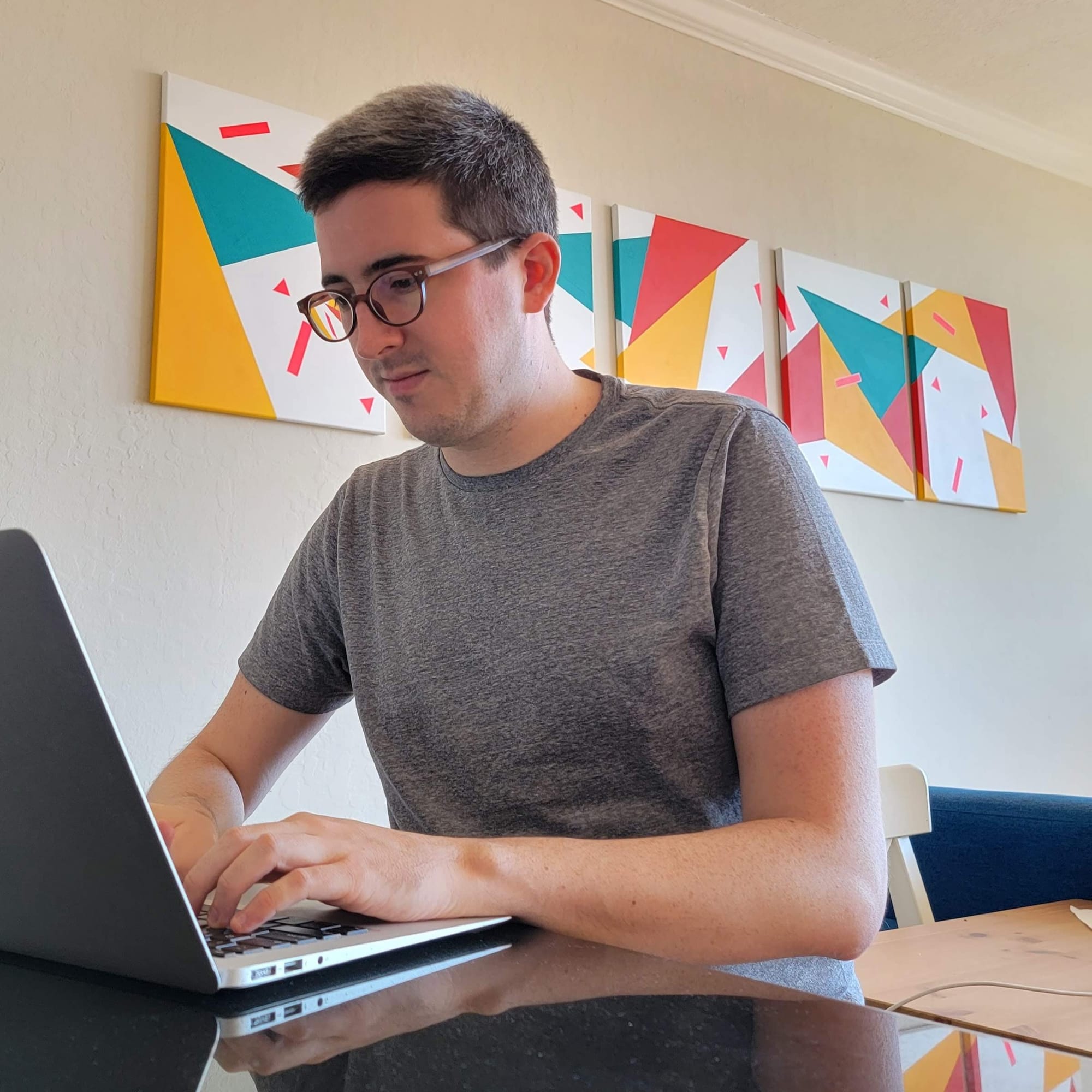
Of course, I also do reporting involving people addressing conflict and humanitarian crises. I do this through in-person or video interviews.
Conflict Journal is a way for me to build onto trained skills many have relied on me for. I'm confident with my strong editorial judgment to have this publication be your go-to resource on global conflict.
Can I count on your support?
In other words, why is Conflict Journal charging a subscription price?
This curation takes up a lot of time with extra care for accuracy and sourcing in my research. It also involves energy handling intricate details in history and context to provide clarity.
And there are costs: Website hosting, domains, design, and audience tools come with bills. And some services that aid in my curation—platforms running RSS feeds, social media searches, and more—are paid.
I was also let go from my last full-time employer at a global newspaper, and I want to continue covering international news. With more than 12 years in my pocket, it's what I'm skilled at, and what I wake up every day wanting to do. For this to be a serious commitment in helping people be aware of global conflict is a personal goal.
Besides the labor, costs, and passion, I have many ideas for Conflict Journal. Think firsthand accounts by people seeking safety from war. Imagine special features around international events like the UN General Assembly and the Olympics. Consider interviews of humanitarian aid workers and human rights lawyers. And there are more ideas...
But none of this can be done without you: Please sign up to be a member at Conflict Journal. There is a selection of subscription tiers to help out.
And if you want to explore other avenues in financially supporting this project, send a message over. I'd love to chat.
I'm excited, and I hope you are too.
Remember, we all share the same moon,
Patrick deHahn